
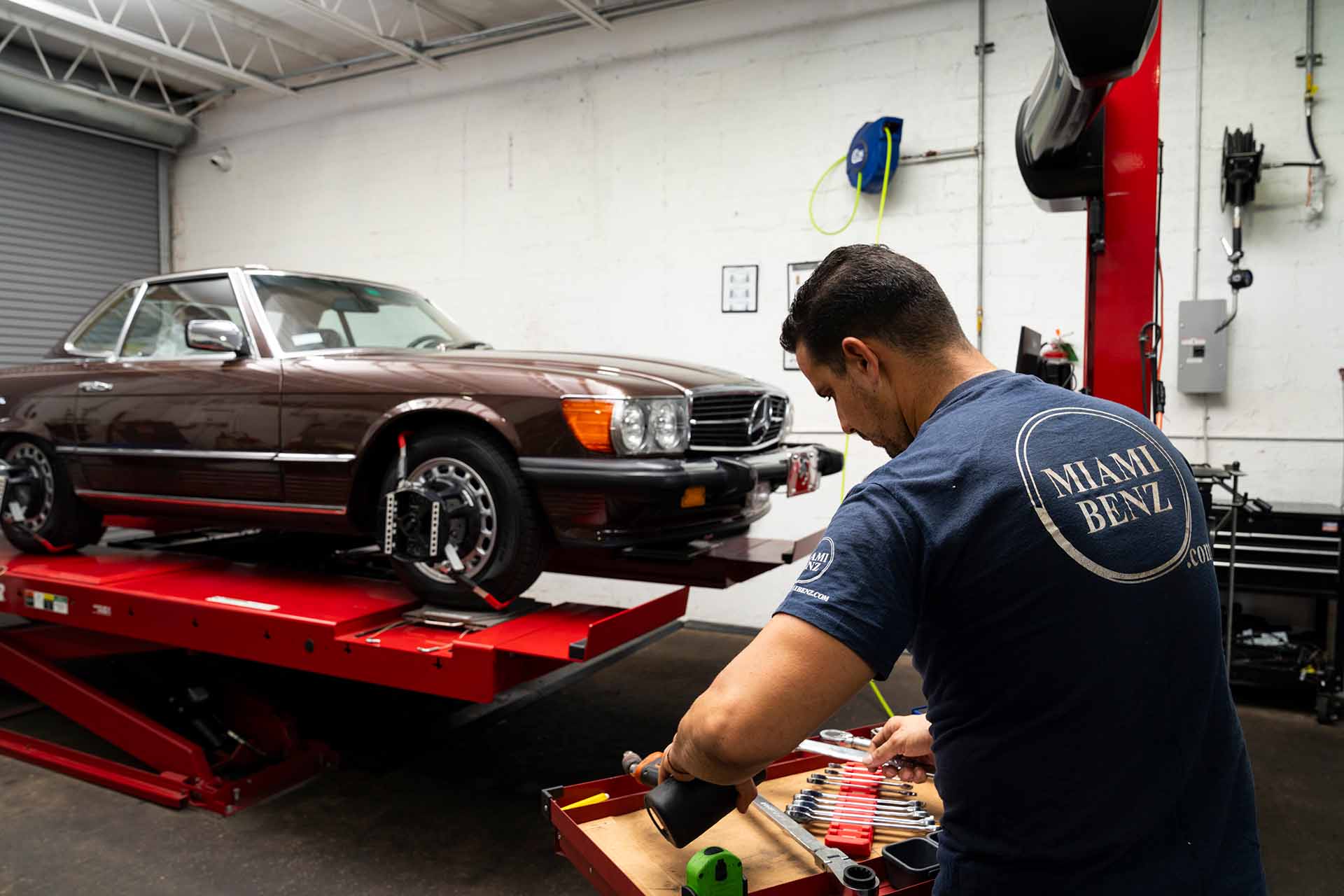
When you think about vehicle maintenance, engine oil and filters often come to mind first. But there’s one service that quietly protects your safety every time you hit the brakes — the brake fluid change.
For Mercedes owners in Miami, where the climate is hot and humid, brake fluid maintenance is especially important. Moisture in the air slowly breaks down your brake fluid, reducing its ability to perform under pressure. When neglected, it can lead to soft brakes, corrosion in your system, and even brake failure.
This guide explains why changing your brake fluid is vital, how often it should be done, and why trusting a certified Mercedes specialist like Miami Benz ensures your car’s braking system stays safe, reliable, and responsive on every drive.
Why Brake Fluid Changes Are Critical for Mercedes Performance
Your Mercedes uses a hydraulic braking system, which means brake fluid transfers the force from your foot to the brake pads. This fluid is designed to handle high temperatures and pressure. Over time, however, it naturally absorbs moisture from the air, especially in Miami’s humid conditions.
When brake fluid becomes contaminated with water, it starts to boil at lower temperatures. That reduces braking efficiency and can create a spongy pedal feel or longer stopping distances. Moisture can also lead to rust inside the calipers and master cylinder, damaging expensive components.
Mercedes-Benz engineering relies on precise fluid performance. That’s why the manufacturer recommends scheduled brake fluid replacement, not just inspection. A fresh flush restores hydraulic pressure, maintains consistent pedal feel, and keeps your braking system protected from corrosion.
If you have not had a brake fluid change since your last Mercedes Service B, it may be time to schedule one. Service B includes a full brake fluid exchange, but drivers in Miami’s extreme conditions may benefit from more frequent maintenance.
When to Change Brake Fluid in Your Mercedes
For most Mercedes-Benz vehicles, the recommended interval for a brake fluid change is every two years or 20,000 miles, whichever comes first. However, this can vary based on how and where you drive.
Miami’s combination of heat, salt air, and stop-and-go traffic accelerates brake fluid degradation. That’s why local specialists like Miami Benz often advise checking brake fluid annually to stay on the safe side.
If your car frequently idles in traffic, tows heavy loads, or spends time near coastal areas, the fluid can absorb moisture faster. Preventive servicing helps avoid costly repairs and ensures consistent braking power, even during sudden stops on busy roads.
Signs Your Brake Fluid Needs Replacement
Your vehicle may not always warn you directly when it’s time to replace the brake fluid, but there are common symptoms to watch for:
- Soft or spongy brake pedal
If your pedal feels less firm, it could mean air or moisture is trapped in the system. - Increased stopping distance
Contaminated fluid reduces hydraulic pressure, which increases the distance needed to stop safely. - Brake warning light on dashboard
Many modern Mercedes models include sensors that monitor fluid levels or pressure. A warning light means it’s time for an inspection. - Dark or dirty brake fluid
Healthy fluid is clear to light yellow. If it looks brown or cloudy, it’s overdue for replacement. - Burning smell after heavy braking
Overheated brake fluid can boil, creating a distinct burning odour and risking total brake fade.
If you notice any of these signs, book an inspection with Miami Benz. Our technicians can test the moisture content in your fluid and confirm whether it needs replacement.
What’s Included in a Professional Mercedes Brake Fluid Flush
At Miami Benz, every brake fluid service follows the official Mercedes-Benz procedure. We use the exact specifications recommended by the manufacturer and perform a complete system flush, not just a top-up.
Here’s what the service involves:
1. Brake System Inspection
Our ASE-certified Mercedes technicians inspect all major components, including calipers, rotors, pads, and lines. We check for leaks, corrosion, and signs of wear that could affect performance.
2. Complete Fluid Drain and Flush
We remove the old fluid from the entire hydraulic system, including lines and reservoirs. Then, we replace it with new Mercedes-approved DOT 4 Plus fluid, which is engineered to handle high heat and pressure.
3. System Bleeding
We bleed the brakes to remove any trapped air, ensuring the pedal feels firm and responsive. Precision is key here — Mercedes systems require specific pressure settings that only factory-trained specialists can handle correctly.
4. Diagnostic Check
We connect factory-grade diagnostic tools to scan for any brake-related fault codes. This helps detect hidden issues in the anti-lock braking system (ABS) or electronic brake control modules.
5. Road Test and Service Indicator Reset
Once the service is complete, we take the car on a controlled road test to verify consistent braking performance. We also reset the digital service indicator and record the brake fluid replacement in your maintenance log.
For an example of how Mercedes services build on each other, see our complete Mercedes Service A checklist and Mercedes Service B guide.
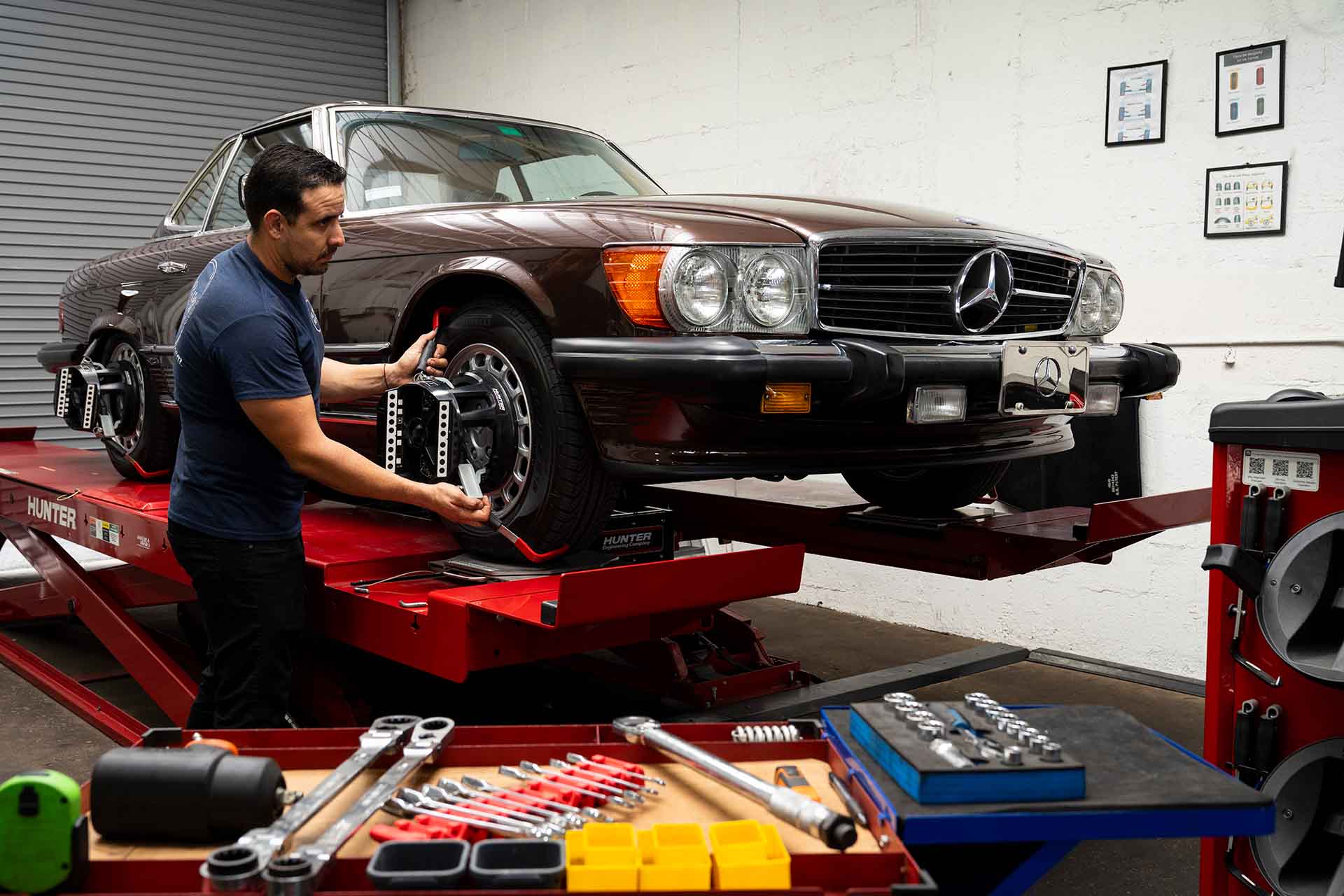
How Miami’s Humidity Affects Your Brake System
Miami’s tropical weather creates the perfect environment for brake fluid degradation. Moisture enters the system through rubber seals and hoses, even when the system is sealed. Once inside, it can:
- Lower the fluid’s boiling point
- Cause internal rust and pitting
- Degrade seals and rubber components
- Reduce braking efficiency
Humidity also speeds up corrosion on metal brake parts, especially when salt from coastal air is involved. Regular maintenance prevents these issues, keeping your Mercedes braking system in peak condition.
If you drive near the beach or park outdoors, consider more frequent fluid checks. Our technicians at Miami Benz can test your fluid’s moisture content in minutes and give you a clear recommendation.
Why Miami Mercedes Owners Trust Miami Benz for Brake Fluid Service
Mercedes vehicles require precise tools, knowledge, and fluids. Choosing a generic repair shop can lead to improper bleeding, incompatible parts, or reduced braking performance.
Here’s why Mercedes owners in Miami trust Miami Benz:
- Certified Mercedes specialists trained specifically in factory braking systems
- Genuine OEM fluids and parts that meet Mercedes-Benz standards
- Digital service records that preserve your warranty
- Transparent pricing with no hidden extras
- Quick same-day turnaround on most brake fluid services
We understand the driving conditions in Miami better than anyone else. Every service is tailored to local conditions, ensuring your car stays responsive in traffic and reliable in emergencies.
To learn more about how maintenance affects safety, explore our Tyres and Alignment page, which covers handling, steering precision, and braking balance.
Schedule Your Mercedes Brake Fluid Service at Miami Benz
Brake performance is something you should never take for granted. Keeping up with fluid changes is one of the simplest ways to protect yourself, your passengers, and your investment.
At Miami Benz, we deliver dealership-level quality with a personal touch. Whether you’re due for a full Service B or just need a brake system refresh, our team has you covered.
Why choose Miami Benz for your next service:
- Factory-certified Mercedes technicians
- Mercedes-approved brake fluids
- Full system flush and safety inspection
- Competitive pricing and same-day availability
Book your brake fluid service today or call (305) 270-9399 to speak directly with our team.
Book Your Mercedes Brake Fluid Change in Miami
Keep your Mercedes braking system performing safely and smoothly with certified care from Miami Benz.
- Factory-approved DOT 4 Plus fluid
- ASE-certified Mercedes technicians
- Same-day service and clear pricing
Genuine Mercedes-Benz brake fluid change performed to factory standards. Local expertise you can trust in South Florida.
Brake Fluid Change FAQs
Everything Miami drivers need to know about Mercedes brake fluid maintenance.